Flexible sigmoidoscopy
What is a flexible sigmoidoscopy?
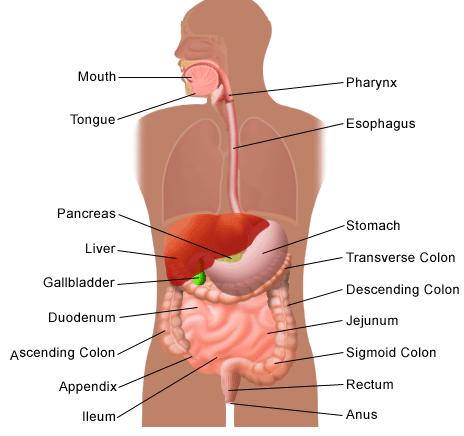
A flexible sigmoidoscopy is a procedure to look at the inside of the left, lower part of the colon (large bowel) using a flexible telescope. This leaflet will give you information about the benefits and risks to help you make an informed decision.
If you have any questions that this document does not answer, you should ask your doctor or any member of the endoscopy team.
Do I need a flexible sigmoidoscopy?
Your doctor is concerned that you may have a problem in the large bowel. A flexible sigmoidoscopy is a good way of finding out if there is a problem or not.
If the endoscopist (the person doing the sigmoidoscopy) finds a problem, they can perform biopsies (removing small pieces of tissue) to help make the diagnosis.
Sometimes a polyp is the cause of the problem and the endoscopist may be able to remove it during the procedure.
Any there any alternatives to a flexible sigmoidoscopy?
A flexible sigmoidoscopy is recommended as it is the best way of diagnosing most problems with the large bowel. A colonoscopy is another option. This is similar to a flexible sigmoidoscopy but the endoscopist looks all the way round the large bowel and has higher risks.
Other options include a barium enema (an x-ray test of the large bowel) or a CT Pneumocolon (a special scan of the large bowel). However, if they find a problem, you may still need a colonoscopy to treat the problem or perform biopsies.
What will happen if I decide not to have a flexible sigmoidoscopy?
Your doctor may not be able to confirm the cause of the problem. If you decide not to have a flexible sigmoidoscopy, you should discuss this carefully with your doctor.
What does the procedure involve?
The healthcare team will give laxatives or an enema to take the day before the procedure. This is to make sure your bowel is empty so the endoscopist can have a clear view. Follow the instructions carefully.
Although the procedure is uncomfortable it should not be painful. A sedative is not usually needed. However if appropriate, the endoscopist may offer you a sedative or pain killer which they can give you through a small needle in your arm or the back of your hand.
The endoscopist will ask you to lie down on your left side in a comfortable position. A member of the endoscopy team will monitor your oxygen levels and heart rate using a finger clip. If you need oxygen, they will give it to you through a mask of small tube placed in your nose.
A flexible sigmoidoscopy usually takes between quarter of an hour to twenty minutes. The procedure involves placing a flexible telescope into the back passage and blowing some air into the large bowel to get a clear view.
What complications can happen?
The healthcare team will try to make your procedure as safe as possible. However, complications can happen.
The possible complications of a flexible sigmoidoscopy are listed below. Any numbers which relate to risk are from studies of people who have had this procedure. Your doctor may be able to tell you if the risk of a complication is higher or lower for you.
- Breathing difficulties or heart irregularities
- Making a hole in the colon
- Bleeding from a biopsy site or from minor damage
- Bleeding, if a polyp is removed
- Incomplete procedure
How soon will I recover?
After the procedure you will be transferred to the recovery area where you can rest and have a drink. If you were given sedation, you will normally recover in about two hours. However, this depends on how much sedation you were given. You may feel a bit bloated for a few hours but his will pass.
Your doctor will tell you what was found during the flexible sigmoidoscopy and will discuss with you any treatment or follow-up you need. Results from biopsies will not be available for a few days so they may ask you to come back to the clinic for these results.
Once at home, if you get pain in your abdomen, significant or continued bleeding from your back passage, or a high temperature, contact the endoscopy unit, or your GP. If your symptoms are severe, go to your nearest Accident and Emergency department or call an ambulance.
You should be able to go back to work the day after the colonoscopy unless you are told otherwise.
Summary
A flexible sigmoidoscopy is usually a safe and effective way of finding out if you have a problem with your large bowel. However, complications can happen. You need to know about them to help you make an informed decision about the procedure. Knowing about them will also help to detect and treat any problems early.
Acknowledgement for leaflet:
The operation and treatment information on this website is produced by EIDO Healthcare Ltd and is licensed by <org name>. The intellectual property rights to the information belong exclusively to EIDO Healthcare Limited. You may not copy, print out, download or otherwise reproduce any of the information other than for your personal, non-commercial use. The information should not replace advice that your relevant health professional would give you.


